
Strong Foundations
At Metheringham Primary School, our aim is to create strong foundations for every child, enabling them to grow in confidence and build upon these foundations as they continue their educational journey.
The Ofsted research report Strong foundations in the first years of school’ (October 2024)‘, emphasised how it is key for children to secure strong foundational knowledge across the Early Years Foundation Stage / Key Stage 1 (and if necessary into Key Stage 2), to give them the best chance of educational success. The report states:
‘By the end of key stage 1, all children need foundational knowledge: how to communicate, read, write and calculate. This includes the general knowledge that will help them to understand the world around them. Their physical, emotional and social development are also important. Finally, developing executive function is crucial for both learning and well-being.’
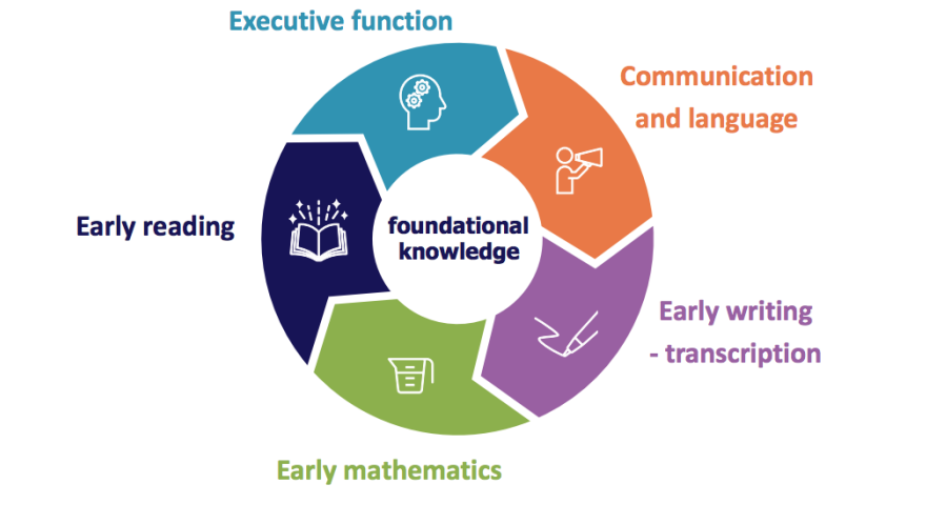
Based on this report, we have identified the foundational knowledge every child at Metheringham Primary School needs to secure so they can effectively progress through the school and successfully transition into their next stage of education. These principles have been created through discussion, research and supporting documentation including:
● The DfE Writing Framework (2025)
● EEF – Literacy KS1 Guidance Report
● Voice 21 – Student friendly oracy framework
● Development Matters
● Early Learning Goals
● The National Curriculum
● Ofsted – Strong foundations report
● DfE – Mathematics Guidance KS1 and 2
● The contextually based school curriculum
Principles of foundational knowledge at Metheringham Primary School:
1. Our school’s curriculum is at the heart of our teaching and learning
2. Our curriculum clearly identifies end points and the foundational knowledge and skills, as outlined in the EYFS and national curriculum that our children will need for later learning
3. Across all key stages, we will make sure that assessment picks up children’s misunderstandings quickly, and gives our teachers early opportunities to help children who need extra teaching and practice
4. Any identified gaps in children’s foundational knowledge are quickly identified, addressed and closing
5. We will give children sufficient high-quality opportunities to practise using foundational knowledge and skills so that they become fluent
6. We will choose teaching methods that are suited to what is being taught and what children already know
7. We recognise that our children will have a range of starting points and are often different stages of the curriculum and we will focus on those that need it most